
Understanding Natural Lighting in Indian Homes
In the Indian context, natural lighting plays a pivotal role in shaping the ambience and energy of a master bedroom. Sunlight is not just a source of illumination; it carries deep cultural and spiritual significance. According to vastu shastra, the ancient Indian science of architecture, the direction and quality of sunlight entering a room directly influence health, mood, and prosperity. Traditionally, Indian homes are designed with large windows, jalis (lattice screens), and courtyards to maximise daylight while keeping interiors cool. The orientation of windows—preferably towards the east or north—ensures gentle morning sunlight fills the bedroom, creating an inviting and positive atmosphere. These architectural features, combined with locally sourced materials like terracotta tiles and lime plaster, diffuse harsh light and maintain comfort throughout the day. Thus, understanding how natural light interacts with traditional design elements is essential for achieving a harmonious balance in any Indian master bedroom.
2. Advantages of Artificial Lighting for Modern Lifestyles
When it comes to creating the perfect ambience in an Indian master bedroom, artificial lighting brings a host of benefits that cater to our modern lifestyles and unique cultural preferences. Unlike natural light, artificial lighting solutions offer unmatched convenience and flexibility, making it easier to customise your space as per your needs and moods.
Convenience Tailored for Indian Homes
With busy urban schedules and diverse family routines, Indian households need lighting that adapts effortlessly. Artificial lights can be switched on instantly regardless of the time or weather, ensuring your master bedroom remains inviting during monsoon evenings or late-night gatherings. This reliability is crucial for everything from reading religious texts at dawn to winding down with family at dusk.
Flexibility to Match Every Occasion
Artificial lighting lets you transform your bedroom’s atmosphere with ease. Whether you desire a soft, warm glow for traditional festivities like Diwali or bright illumination for getting ready in the morning, modern fixtures such as dimmable LEDs and smart bulbs make it possible. You can even adjust colours and intensities to complement your bedroom décor, from earthy tones reflecting Rajasthani art to contemporary Mumbai minimalism.
Technological Advancements in Indian Context
| Feature | Benefits in Indian Master Bedrooms |
|---|---|
| LED & Smart Bulbs | Energy-efficient, customisable brightness & colour; cost-saving for joint families |
| Motion Sensors | Ideal for elderly parents; automatic night-time guidance without fumbling for switches |
| Remote & App Controls | Convenient management from bed—perfect for hot summers when you don’t want to get up |
| Thematic Lighting Options | Easily set mood lighting for poojas, movie nights, or festive celebrations |
Culturally Aligned Aesthetics
Modern artificial lighting can be seamlessly integrated with traditional Indian décor elements like jharokhas, wooden panelling, or vibrant wall hangings. Pendant lamps with ethnic motifs or concealed strip lights behind carved headboards enhance both style and comfort, allowing homeowners across India—from Kolkata’s heritage homes to Bengaluru’s sleek apartments—to enjoy a personalised touch without compromising on utility.
In summary, artificial lighting not only brings technological sophistication but also supports the evolving needs and aesthetics of Indian families. By combining functionality with cultural sensibilities, it becomes an essential tool in crafting the ideal master bedroom environment.

3. Cultural and Climatic Considerations
India’s master bedrooms are uniquely influenced by the country’s diverse climatic zones and rich cultural heritage. The hot summers of Rajasthan, the humid monsoons in Kerala, and the chilly winters in Himachal Pradesh each demand a tailored approach to lighting. Natural light is traditionally valued, especially in Vastu Shastra, which encourages east-facing windows to harness the gentle morning sun—a symbol of positivity and energy. Yet, the intensity of Indian sunlight during peak hours often requires strategic use of sheer curtains or jalis to diffuse harsh rays without sacrificing brightness. Artificial lighting choices must also accommodate power fluctuations common in many regions; thus, LED fixtures and solar-powered lamps are gaining popularity for their efficiency and reliability. Culturally, Indian homes often blend ambient lighting with decorative elements like pendant lamps or traditional lanterns (diyas), creating a layered effect that balances functionality and aesthetics. Combining natural daylight with warm-toned artificial lights not only respects local customs but also ensures comfort throughout seasonal changes. This harmonious integration addresses both practical needs and the cultural desire for inviting, auspicious spaces within Indian master bedrooms.
4. Smart Lighting Solutions for Indian Master Bedrooms
As urban lifestyles in India continue to evolve, the demand for intelligent and efficient lighting solutions is rising. Homeowners are looking beyond traditional tube lights and CFLs, embracing technologies that not only save energy but also add a touch of modernity and convenience to their master bedrooms. Here’s a look at how smart lighting innovations are transforming Indian interiors while meeting local preferences and requirements.
Emerging Trends: LED, Smart Bulbs & Energy-Efficient Fixtures
LED technology is at the forefront of this revolution. LEDs consume significantly less electricity, emit minimal heat—a crucial factor in India’s warm climate—and offer longevity, making them an economical choice for families. Further, the advent of smart bulbs allows residents to control brightness and colour temperature according to mood or time of day, enhancing both comfort and functionality.
Smart Features Tailored for Indian Homes
With increased smartphone penetration, app-controlled lights are becoming popular in metro cities like Mumbai, Bengaluru, and Delhi. Voice-assistant integration (like Alexa or Google Assistant) is also gaining traction among tech-savvy households. These solutions can be especially useful during load-shedding or power fluctuations—common scenarios in many Indian states—since some smart bulbs feature built-in battery backups.
Comparison Table: Popular Lighting Solutions
| Lighting Type | Energy Efficiency | Control Options | Cost (Initial/Long-Term) | Suitability for Indian Homes |
|---|---|---|---|---|
| Traditional Tube Light | Moderate | Manual Switch | Low/High | Common in budget homes, less efficient over time |
| CFL Bulb | High | Manual Switch | Moderate/Moderate | Widely used, but being phased out by LEDs |
| LED Fixture | Very High | Dimmable/Smart Controls Available | Moderate/Low | Best blend of efficiency and adaptability |
| Smart Bulb (Wi-Fi/Bluetooth) | Very High | App/Voice Control, Schedules, Scenes | Higher Initial/Low Long-Term | Ideal for modern homes, supports power backup features |
The integration of such innovative lighting ensures your master bedroom remains well-lit while reflecting your personal style. Whether you live in a city apartment or a spacious independent house, these solutions combine the best of technology with practical benefits suited for Indian living conditions.
5. Design Tips: Achieving the Right Balance
Layering Lighting for Aesthetic Harmony
For Indian master bedrooms, blending natural and artificial lighting is an art that enhances both aesthetics and functionality. Start by making the most of available sunlight—orient your bed and seating to face windows or balconies, maximising daylight during the mornings and evenings. Sheer curtains in soft colours like ivory or pale yellow diffuse harsh sunlight while maintaining privacy, reflecting Indias love for vibrant yet calming interiors.
Choosing Artificial Lights for Indian Needs
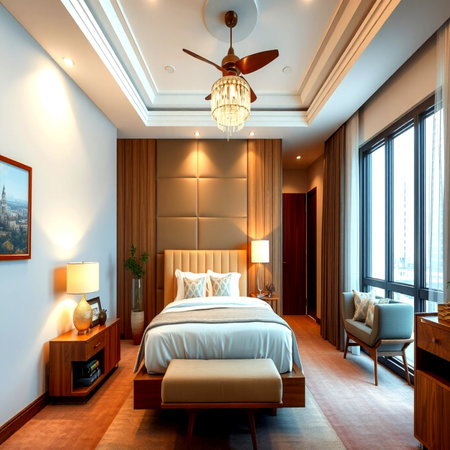
Select layered artificial lighting that complements natural sources. Use warm white LED ceiling lights or chandeliers for general illumination, echoing traditional Indian lanterns but with modern energy efficiency. Add task lighting such as bedside lamps with brass or wooden finishes, merging classic Indian craftsmanship with practical needs. Accent lights—like wall sconces or backlit panels featuring ethnic patterns—create focal points, adding a touch of desi elegance.
Energy Efficiency and Comfort
Opt for LED bulbs and dimmers to regulate brightness according to time of day and activity—saving on electricity bills, which is a key consideration in Indian households. Place switches conveniently near entryways and bedsides for ease, ensuring comfort during hot summers or chilly winters when you may want to avoid unnecessary movement.
Blend Traditional Elements with Modern Controls
Integrate smart lighting systems that allow remote control through mobile apps—ideal for tech-savvy families in metro cities like Mumbai or Bangalore. However, don’t shy away from using decorative lamps with jute shades or coloured glass (think Rajasthani or Moroccan styles), which honour India’s rich artisanal heritage while providing flexible ambient light.
Practical Zoning for Everyday Life
Create separate zones: use brighter lights around dressing areas, softer ones near the prayer corner (puja space), and adjustable reading lights by the bed. This zoning supports daily rituals and personal preferences common in Indian lifestyles, making every part of your master bedroom functional yet inviting.
6. Popular Lighting Fixtures and Local Materials
Feature Favoured Lighting Types in Indian Homes
When blending natural and artificial lighting for an Indian master bedroom, choosing the right fixtures is as important as harnessing daylight. Indian homes traditionally favour unique lighting options that not only brighten up spaces but also elevate the cultural vibe of the interiors. Among these, jhumars—ornate chandeliers with intricate designs—stand out as a classic choice for master bedrooms. Their grandeur adds a regal touch and creates a beautiful interplay of shadows and light, especially when paired with soft sunlight filtering through sheer curtains.
Lamps: Versatile and Culturally Rich
Lamps, both table and floor variants, are another integral element in Indian bedroom decor. Often featuring bases made from brass, terracotta, or hand-painted ceramics, these lamps infuse warmth while reflecting India’s rich artisanal heritage. Placing them on bedside tables or in cosy reading nooks helps balance natural sunlight during the day with focused artificial illumination at night.
Ceiling Fixtures: Blending Functionality with Tradition
Ceiling fixtures such as recessed lights or pendant lamps crafted from locally sourced materials like bamboo, cane, or glass mosaics blend seamlessly with Indian aesthetics. These fixtures provide ample overhead lighting without overpowering the room’s ambience, making them perfect companions to natural light streaming through traditional jaali (lattice) windows or contemporary skylights.
Indigenous Materials: Echoing Local Flavours
The use of indigenous materials in lighting fixtures—think Rajasthani blue pottery, Kutch mirror work, or South Indian wood carvings—not only supports local artisans but also ensures that each piece resonates with India’s diverse cultural palette. These elements help create a harmonious fusion of tradition and modernity in your master bedroom.
In summary, integrating popular Indian lighting fixtures made from local materials allows homeowners to craft a personalised and culturally vibrant sanctuary. By thoughtfully combining jhumars, traditional lamps, and ceiling fixtures with natural daylight, you achieve the perfect combo of functionality and aesthetic appeal for an Indian master bedroom.