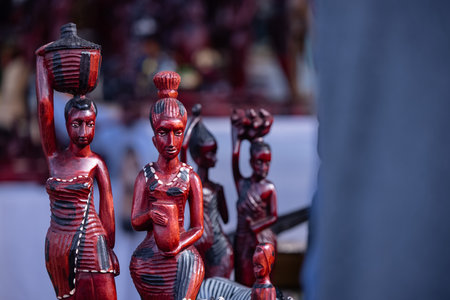

Introduction to Dokra Art
Dokra art, a cherished indigenous brass craft, stands as a testament to India’s rich cultural tapestry and centuries-old artisanal traditions. Originating from the heartlands of rural India, particularly in states like West Bengal, Odisha, Chhattisgarh, and Jharkhand, Dokra is more than just an art form—it embodies the spirit and resilience of tribal communities. Its name comes from the Dhokra Damar tribes, whose unique metal casting technique using the lost-wax process has been passed down through generations. This ancient craft, believed to date back over 4,000 years to the era of the Indus Valley Civilization, showcases not only the artistic excellence of Indian craftsmen but also their ability to blend functionality with aesthetic appeal. As we journey into the world of Dokra art, we uncover its origins and historical evolution, tracing how this rural artistry has survived the tides of time and continues to thrive as a symbol of Indian heritage.
2. The Lost Wax Technique
The essence of Dokra art lies in the ancient ‘lost wax casting’ method, known locally as cire perdue. This traditional Indian technique is a testament to the precision and ingenuity of rural artisans, especially among tribal communities in West Bengal, Odisha, Chhattisgarh, and Telangana. Let us unravel the meticulous steps that make each Dokra piece a one-of-a-kind masterpiece.
Step-by-Step Process of Lost Wax Casting
| Stage | Description |
|---|---|
| Wax Modelling | Artisans shape beeswax or natural wax into detailed figurines or ornaments as per their creative vision. |
| Clay Moulding | A layer of fine clay is applied over the wax model to capture intricate details, followed by coarser layers for strength. |
| Wax Removal | The mould is gently heated; the wax melts and drains away, leaving behind a hollow cavity. |
| Brass Pouring | Luminous molten brass is carefully poured into the empty mould through a tiny channel. |
| Mould Breaking | Once cooled, the clay shell is broken open to reveal the raw brass form. |
| Finishing Touches | Artisans polish and refine the piece, often adding traditional motifs and local patterns. |
The Significance of Precision
The lost wax technique demands high accuracy at every stage. A single error can ruin weeks of effort. This process not only showcases technical prowess but also mirrors India’s value for patience and dedication. Each artefact reflects centuries-old traditions passed down through generations, making Dokra items cherished in households across the country—from bustling Kolkata markets to serene village melas.
Cultural Relevance in India
Dokra art pieces are more than decorative objects; they hold spiritual and social significance in Indian culture. They are often used in rituals, weddings, and as symbols of prosperity in Indian homes. The diversity in design—gods, animals, tribal deities—illustrates regional beliefs while celebrating India’s unity in diversity. Thus, lost wax casting is not just a craft but an enduring cultural heritage that resonates with every Indian heart.

3. Regional Diversity in Dokra Craft
Dokra art, while united by the ancient lost-wax casting technique, radiates a vibrant spectrum of regional influences across India. The diversity of this brass craft is deeply rooted in the geographical and cultural landscape of each community involved in its creation.
West Bengal: Tribal Touches and Folklore
In West Bengal, especially among the artisans of Bankura and Bardhaman, Dokra craft is synonymous with distinctive tribal motifs and mythological figures. The famous Bankura horse—often seen as a symbol of Indian folk art—originates here. Artisans infuse their brass work with stories from local folklore, reflecting the agrarian lifestyle and rural rituals that are central to Bengali culture.
Chhattisgarh: Motifs of Nature and Daily Life
Chhattisgarh’s Bastar region is celebrated for its intricate Dokra pieces adorned with motifs inspired by nature and daily village life. Traditional objects such as lamps, musical instruments, and animal figurines are crafted with a unique rawness that mirrors the earthy surroundings of tribal Chhattisgarh. Each piece often narrates tales from tribal legends, festivals, and their harmonious relationship with forests and wildlife.
Odisha: Divine Representations
The artisans of Odisha bring a spiritual dimension to Dokra art, crafting idols of deities like Lord Jagannath as well as traditional jewellery. Here, the designs are influenced by temple architecture and religious ceremonies, blending devotional themes into everyday objects. This sacred connection sets Odisha’s Dokra apart, attracting devotees and collectors alike.
Local Culture: The Pulse Behind Every Creation
Across these regions, the nuances in Dokra craftsmanship are shaped by local materials, tools passed down through generations, and the customs that define each community’s identity. Whether it’s the use of natural dyes in West Bengal or indigenous clay molds in Chhattisgarh, every artifact is a tribute to its place of origin. This diversity ensures that no two Dokra pieces are identical—each is a reflection of India’s pluralistic spirit and its enduring tradition of artistic innovation.
4. Artisans and Community
At the heart of Dokra art are the highly skilled artisans, predominantly from indigenous tribes such as the Dhokra Damar, living in states like West Bengal, Odisha, Chhattisgarh, and Jharkhand. These craftspeople inherit their artistry through generations, preserving both their unique cultural heritage and traditional brass craft techniques. The process is not merely a source of income; it is a community-centric activity deeply woven into rural livelihoods and social identity.
The Generational Legacy
Dokra artisans often learn the intricate lost-wax casting method from their elders, blending ancestral wisdom with practical skill. This knowledge transfer ensures that every artifact carries forward centuries-old stories, motifs, and symbolism unique to each tribe and region.
Community Structure and Roles
The making of Dokra artifacts involves the collective effort of multiple family members or even entire villages. Each person may have a specialized role—some collect raw materials, others shape the wax models, while expert hands handle the final metal casting and finishing touches. The table below outlines typical roles found within a Dokra artisan community:
| Role | Responsibility | Common Local Terms |
|---|---|---|
| Wax Model Maker | Shapes the initial design using beeswax | Mitti Shilpi / Mombatti Kalaakar |
| Mould Preparer | Covers the wax model with clay to create moulds | Mitti Ka Kaamgar |
| Metal Worker | Pours molten brass into prepared moulds | Pital Shilpi / Loha Ka Kaamgar |
| Finisher & Polisher | Cleans and polishes finished artefacts for market | Chamkane Wala / Antim Roop Denewala |
Sustaining Rural Livelihoods
This collaborative model not only strengthens social bonds but also sustains rural economies. Through government initiatives, NGOs, and local markets like haats (weekly bazaars), many Dokra communities find avenues to showcase their work beyond village boundaries. By supporting these artisans, buyers contribute directly to preserving India’s vibrant craft diversity and empowering indigenous families across generations.
5. Cultural Significance and Everyday Use
Dokra Artefacts in Indian Festivals and Rituals
The Heartbeat of Tradition
Dokra art holds a special place in the cultural fabric of India, especially during festivals and rituals. Across states like West Bengal, Odisha, Chhattisgarh, and Jharkhand, Dokra artefacts such as lamps (diyas), animal figurines, and ritualistic vessels are prominently featured during celebrations like Durga Puja, Diwali, and tribal harvest festivals. These handcrafted brass pieces are often used to invoke blessings, symbolise prosperity, and connect communities with their ancestral roots. The intricate motifs etched by skilled artisans narrate stories from Indian mythology, adding depth and spiritual resonance to every festive occasion.
Dokra in Modern Indian Homes
Blending Heritage with Contemporary Decor
In today’s urban India, Dokra art has found a fresh identity as an element of stylish home decor. From decorative wall hangings and centrepieces to functional items like candle stands and door handles, Dokra artefacts infuse homes with a sense of ethnic elegance. Urban Indians embrace these brass crafts not only for their aesthetic appeal but also for their eco-friendly and sustainable qualities. The fusion of traditional craftsmanship with contemporary design sensibilities allows Dokra to remain relevant while reflecting Indias vibrant heritage in everyday life.
Symbol of Identity and Pride
Cultural Continuity for Future Generations
The presence of Dokra artefacts in both rural households and metropolitan apartments is a testament to the enduring pride Indians feel for their artisanal legacy. For many families, owning or gifting a Dokra piece is seen as an auspicious act—a way to honour tradition while supporting local craftsmen. As Dokra continues to evolve, its role as a bridge between India’s diverse past and dynamic present only grows stronger, making it not just art but a living symbol of unity in diversity.
6. Current Challenges and Revival Initiatives
Dokra art, one of India’s most celebrated traditional brass crafts, faces a dynamic landscape shaped by modernization and shifting consumer preferences. As urbanization spreads and lifestyles change, artisans encounter both opportunities and threats to their age-old craft. The rising costs of raw materials, limited access to advanced tools, and competition from mass-produced goods pose significant challenges for traditional Dokra artists across West Bengal, Odisha, Chhattisgarh, and Jharkhand.
Market access remains a core issue. While India’s growing middle class appreciates handcrafted art, rural Dokra artisans often struggle to reach these consumers. Traditional haats (markets) and local exhibitions are no longer sufficient; the need for digital marketing skills and e-commerce platforms is more urgent than ever. Some NGOs and social enterprises have started bridging this gap by connecting artisans with online marketplaces like Amazon India and Craftsvilla, helping them tap into national and international audiences.
Government support plays a pivotal role in sustaining Dokra art. The Indian government’s initiatives under schemes such as ‘Ambedkar Hastshilp Vikas Yojana’ and ‘Make in India’ aim to empower rural craftsmen through training workshops, financial aid, and design innovation programs. State handloom and handicrafts departments have also established cooperative societies that provide credit facilities, ensure fair pricing, and organize participation in prestigious fairs like Surajkund Mela.
Moreover, modern designers are collaborating with Dokra artisans to create contemporary products while retaining the essence of tradition. This fusion not only attracts young buyers but also inspires the next generation of artisans to keep the craft alive. Educational institutions in states like Odisha have introduced vocational courses focused on metal crafts, ensuring knowledge transfer and skill development.
Despite these efforts, consistent policy implementation, greater awareness campaigns, and sustained community engagement are essential for the long-term revival of Dokra art. Protecting geographical indications (GI tags), promoting eco-friendly production methods, and facilitating direct artisan-to-customer interactions can further secure the future of this unique Indian heritage.
7. How to Appreciate and Source Authentic Dokra
Tips for Responsibly Buying Authentic Dokra Craft
When you wish to bring home a piece of Indias cultural legacy through Dokra art, it is essential to ensure that your purchase is authentic and ethically sourced. Always choose sellers who offer transparent information about the origin and the artisan community behind each piece. Preferably, buy directly from reputed craft fairs, government emporiums, or certified online platforms supporting Indian handicrafts. Look for GI (Geographical Indication) tags or certifications that validate the authenticity of Dokra products. Avoid mass-produced items that may not represent the true spirit of this age-old brass craft.
Supporting Artisan Communities: The Heart of Dokra
By purchasing genuine Dokra art, you are empowering traditional Indian artisan families, especially in West Bengal, Odisha, Chhattisgarh, and Jharkhand. These communities rely on their ancestral skills for livelihood, and your conscious support helps preserve their rich heritage. Whenever possible, interact with the artisans to understand their stories—many sellers at exhibitions and handicraft melas are open to sharing insights into their creative journey. This connection not only enriches your appreciation but also strengthens the sustainable ecosystem of Indian crafts.
Recognizing True Hand-Crafted Masterpieces
Authentic Dokra pieces are known for their unique imperfections, intricate detailing, and rustic finish—a reflection of the lost-wax casting technique passed down generations. No two pieces are exactly alike. Examine the weight, texture, and craftsmanship; real Dokra will have slight variations and marks showing handwork rather than machine perfection. Traditional motifs such as tribal deities, animal figurines, and everyday village scenes often feature in original works. Ask about the process and materials used—genuine artisans will proudly explain the natural beeswax, clay molds, and recycled metals involved in creating each artefact.
By following these mindful steps while sourcing Dokra art, you not only add a timeless Indian masterpiece to your collection but also play an integral role in sustaining one of India’s most cherished artisanal traditions.