
Introduction: The Essence of Indian Fusion Decor
In today’s evolving design landscape, the fusion of traditional Indian interior styles with modern aesthetics has become a captivating trend, especially among urban Indian households. This unique blend is not just about mixing old and new; it’s about celebrating India’s rich cultural heritage while embracing global contemporary influences. Pinterest, as a creative hub, offers endless inspiration for this very concept—showcasing how vibrant Indian motifs, earthy textures, and handcrafted elements can harmoniously coexist with minimalist furniture, sleek lines, and modern colour palettes. For many Indian families, creating such a space means honouring their roots while expressing individual style. Whether you’re in Mumbai, Bengaluru, or Delhi, blending these two worlds allows your home to tell a story that resonates with tradition yet feels fresh and up-to-date. In this article, we explore the significance of this fusion approach and how you can use Pinterest ideas to create interiors that reflect both the spirit of India and the pulse of modern living.
Mapping Traditional Indian Elements
To create an authentic yet modern Indian interior, it is essential to first map out the traditional elements that give Indian homes their unique character. Recognising these features allows you to seamlessly blend them with contemporary Pinterest-inspired ideas. Below, we break down key components that have stood the test of time in Indian design:
Key Traditional Elements in Indian Interior Design
| Element | Description | Common Usage |
|---|---|---|
| Jaali Work | Intricate perforated screens often crafted from wood or stone, reflecting Mughal and Rajasthani influences. | Room dividers, window panels, balcony railings |
| Carved Wood | Hand-carved wooden furniture and decor featuring motifs like peacocks, lotuses, and paisleys. | Sofas, beds, side tables, wall panels |
| Brass Artefacts | Decorative brass items such as lamps (diyas), urns, and figurines that add a touch of luxury and spirituality. | Pooja rooms, entryways, living room shelves |
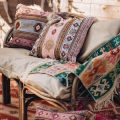
| Ethnic Textiles | Vibrant fabrics like block-printed cottons, silk sarees repurposed as curtains, and traditional rugs such as dhurries or kilims. | Cushion covers, drapes, bedspreads, floor coverings |
| Traditional Colour Palettes | Bases inspired by nature: deep reds, ochres, turmeric yellows, indigo blues, and lush greens paired with gold or bronze accents. | Wall paints, upholstery, accent pieces |
The Importance of Contextual Adaptation
Incorporating these elements into your home requires understanding their cultural significance. For instance, jaali work not only provides privacy but also enhances ventilation—a practical feature well-suited for India’s climate. Similarly, ethnic textiles sourced from local markets or artisans support regional crafts while adding authenticity to your décor. When mapping these traditional components onto Pinterest boards for inspiration, focus on integrating pieces that resonate with your family’s heritage and everyday lifestyle needs.
3. Embracing Modern Indian Aesthetics
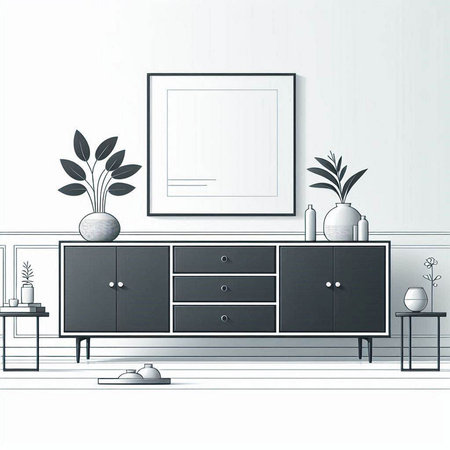
As urban India evolves, modern interior design preferences are increasingly steering towards simplicity, efficiency, and comfort. Minimalist layouts have become a hallmark of the contemporary Indian home—think open floor plans that allow for free movement and a sense of spaciousness even within compact apartments. Neutral tones such as off-whites, beiges, and soft greys dominate the colour palette, creating a soothing backdrop that harmonises with the bustling energy of Indian cities.
Modular furniture has also gained immense popularity among young professionals and families alike. Multi-functional pieces like foldable dining tables, storage ottomans, and sectional sofas ensure that every square foot is optimised without compromising on style. Pinterest boards are brimming with ideas showcasing how these practical solutions can be blended seamlessly into traditional Indian settings by incorporating ethnic prints or carved wooden accents.
Smart usage of space is another critical element reflecting the modern Indian lifestyle. Innovative storage solutions—such as under-bed drawers or wall-mounted shelves—help maintain an uncluttered look, which resonates with both Vastu principles and contemporary sensibilities. Integrating tech-friendly features like USB charging points in living rooms or remote-controlled lighting systems further exemplifies how modern design can be tailored to suit the needs of today’s Indian households.
Pinterest Inspiration: Curating and Adapting Ideas
When blending traditional and modern Indian interior design styles, Pinterest becomes an invaluable tool for visual inspiration and idea curation. However, with the vast array of global content available, it is essential to filter and adapt ideas that resonate with Indian aesthetics and daily practicalities. Here are some actionable tips to effectively research, shortlist, and implement Pinterest inspiration tailored for Indian homes.
How to Search Effectively on Pinterest
Start by using specific keywords such as “modern Indian living room,” “traditional Indian decor,” or “contemporary ethnic interiors.” You can also combine regional terms like “Rajasthani wall art” or “South Indian wooden furniture” to find boards and pins that reflect India’s rich diversity.
Shortlisting Relevant Boards and Pins
Create separate boards for different themes (e.g., Living Room, Kitchen, Bedroom) to organise your finds. As you browse, pay attention to pins that show a harmonious blend of traditional elements like jali work, jaipuri prints, or brass artifacts with modern layouts or neutral colour palettes. Bookmark pins that include DIY ideas or local craftspeople, which can be more achievable within India.
Aligning With Local Tastes & Practical Living
While shortlisting, assess if the designs fit the Indian context—consider climate (for example, opting for cooler fabrics in hot regions), family size, storage needs, and maintenance requirements. Look out for locally available materials or decor items rather than imported ones for easier execution.
| Criteria | Traditional Focus | Modern Touch | Pinterest Tip |
|---|---|---|---|
| Furniture | Teakwood carvings | Sleek modular units | Search “Indian wood modern furniture” |
| Colours | Earthy reds & ochres | Greys & whites | Use palette generator from pins |
| Textiles | Block-printed cushions | Minimalist drapes | Create textile inspiration boards |
| Artifacts | Tanjore paintings/Brass lamps | Abstract art pieces | Mix-and-match boards for fusion look |
| Layout & Space Use | Court-yards/pooja corners | Open plans/multifunctional spaces | Pin space-saving hacks for apartments |
The key is not just to collect beautiful images but to analyse their feasibility in your home. Always cross-reference ideas with whats available at local markets or online stores in India. Engage with Indian Pinterest creators who often share relatable, step-by-step guides suited to desi lifestyles. By systematically curating and adapting Pinterest ideas, you’ll ensure your design journey stays rooted in Indian culture while embracing fresh, contemporary trends.
5. Tips for Seamless Blending
Prioritise Spatial Optimisation
One of the keys to blending traditional and modern Indian interior styles is efficient use of space. Consider open-plan layouts inspired by urban homes, but infuse them with classic Indian elements like intricately carved wooden partitions or jali screens. These not only demarcate spaces but also bring in patterns reminiscent of heritage homes. Pinterest boards often showcase clever storage solutions—think low diwans with built-in drawers or wall-mounted shelves that display brass artefacts while saving floor space.
Choose Locally Sourced Materials
Opt for materials that reflect Indian craftsmanship and sustainability. Use kota stone or terracotta tiles for flooring, and complement them with minimalist concrete finishes or neutral-toned walls. Pair up sleek modular furniture with handwoven dhurries, block-printed cushions, or channapatna wooden décor for an authentic vibe. This method supports local artisans and adds a soulful layer to contemporary design.
Balance Colour and Texture
Modern interiors favour subtle hues, while traditional Indian style embraces bold colours. To harmonise both, select a neutral base—like off-white or beige—and introduce vibrant accents through Rajasthani tapestries, Kashmiri carpets, or colourful pottery. Use Pinterest to find inspiring colour palettes that celebrate India’s diversity yet remain cohesive and modern.
Mix Heritage Pieces With Modern Silhouettes
Blend antique heirlooms such as a carved swing (jhoola) or ornate mirror with streamlined sofas and glass tables. The juxtaposition creates visual interest and a sense of belonging for both old and new generations. Pinterest can provide layout ideas for integrating statement pieces without crowding the room.
Layer Lighting for Ambience
Combine contemporary lighting fixtures like recessed LEDs with traditional lamps—think brass diyas or lantern-style pendant lights. Strategic lighting placement enhances spatial functionality and highlights unique design features sourced from your favourite Pinterest pins.
Personalise with Local Art & Craft
Add character by showcasing Madhubani paintings, Warli murals, or hand-painted ceramics alongside abstract modern art. Group these thoughtfully on gallery walls to reflect your cultural roots within a current context.
By following these actionable methods, you can seamlessly blend the vibrancy of Indian tradition with the elegance of modern minimalism, creating interiors that are both rooted in culture and attuned to contemporary lifestyles.
6. Cultural Personalisation & Sustainability
Blending traditional and modern Indian interior design is not just about aesthetics—it’s about telling your unique story while respecting the planet. To truly make your home “Indian at heart,” focus on cultural personalisation and sustainable choices. Start by reflecting personal memories through decor: display family heirlooms, vintage Bollywood posters, or hand-embroidered textiles from your region. Create a gallery wall using Pinterest-inspired layouts that combine old wedding photos with contemporary art prints—this fusion narrates both heritage and modern aspirations.
Celebrate Regional Crafts
India is a treasure trove of artisanal crafts. Incorporate elements like Madhubani paintings from Bihar, Pochampally ikat cushions from Telangana, or blue pottery from Jaipur. Mix these handcrafted items with sleek, minimalistic furniture for a balanced vibe. Use Pinterest boards to find local artisans or upcycled craft ideas that resonate with your roots.
Eco-Friendly Choices for Modern India
Sustainability is gaining momentum in urban Indian homes. Opt for natural materials such as bamboo blinds, jute rugs, or terracotta planters—these add earthy tones and reduce carbon footprints. Upcycle old wooden doors into coffee tables or use brass utensils as decorative accents. Pinterest is full of DIY tutorials showing how to convert discarded items into beautiful decor.
Make It Yours
Infuse your interiors with what matters most to you—be it a corner for puja (prayer), shelves for cricket memorabilia, or a reading nook inspired by your favourite Hindi literature. By blending regional crafts, sustainable materials, and personal stories, you create a living space that honours tradition while embracing contemporary Indian living.
7. Practical Implementation: Local Resources & DIY
When it comes to blending traditional and modern Indian interior design styles, practical implementation is key. Sourcing authentic materials locally not only supports Indian artisans but also adds genuine character to your home. Start by visiting popular Indian markets like Dilli Haat in Delhi, Chor Bazaar in Mumbai, or Banjara Market in Gurugram, where you can find everything from antique wooden furniture to vibrant textiles and brass decor items. These markets offer a treasure trove of inspiration for recreating Pinterest-worthy looks with an Indian twist.
Collaborate with Local Artisans
India’s rich heritage of craftsmanship is one of its greatest assets in interior design. Seek out local artisans skilled in wood carving, stone inlay, handloom weaving, or pottery to create bespoke pieces that fuse tradition with contemporary flair. Not only will this approach ensure quality and uniqueness, but it also contributes to the sustenance of traditional crafts. When discussing your Pinterest-inspired ideas with artisans, share reference images and discuss adaptations that suit your space and lifestyle.
DIY Projects for Indian Homes
If you enjoy hands-on creativity, simple DIY projects are a great way to personalise your interiors. Use block-printed fabrics as cushion covers, paint terracotta pots in trendy patterns found on Pinterest, or upcycle old sarees into curtains or wall hangings. Opt for eco-friendly paints and locally available materials to keep your projects sustainable and cost-effective.
Smart Sourcing Tips
While shopping for materials, prioritise locally produced goods—think Jaipur blue pottery, Channapatna toys, or Kashmiri carpets. Bargain wisely at bazaars and always verify the authenticity of handicrafts. For modern touches, combine these finds with sleek furniture from Indian brands offering minimalist designs that complement traditional elements.
By leveraging India’s abundant resources and artisan network alongside creative DIY solutions inspired by Pinterest, you can craft a home that truly reflects both timeless Indian traditions and contemporary aesthetics.