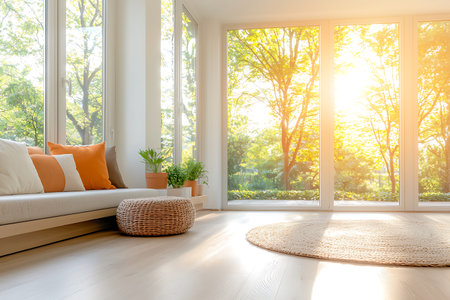

Introduction: The Cultural Relevance of Natural Light in India
In the Indian context, natural light has always held a special significance that goes beyond its physical benefits. Traditional beliefs, rooted in Ayurveda and Vastu Shastra, consistently emphasise the importance of sunlight for holistic well-being. For centuries, Indian homes and temples have been designed to maximise the flow of natural light, reflecting a deep understanding of its positive impact on mind and body. Daily practices such as early morning sun salutations (Surya Namaskar) and spending time outdoors during sunrise or sunset further illustrate the value placed on sunlight in Indian society. This cultural reverence is not only evident in rituals but also in architecture—open courtyards, large windows, and skylights are common features meant to invite the healing rays of the sun into living spaces. As we explore the connection between natural light and mental health from an Indian perspective, it becomes clear that these age-old traditions are now being validated by modern science, highlighting their timeless relevance.
Scientific Insights: How Natural Light Influences Mental Health
Across the globe, scientific research has consistently highlighted the crucial link between natural light exposure and overall mental wellness. Sunlight acts as a key regulator of the bodys circadian rhythm, influencing sleep cycles, mood, energy levels, and cognitive performance. For India—a nation blessed with abundant sunlight yet witnessing a rise in urbanisation and indoor lifestyles—these findings carry significant local implications.
Multiple international studies indicate that natural light boosts serotonin production in the brain, directly contributing to improved mood and reduced symptoms of depression. This effect is particularly relevant in Indian cities where long work hours indoors or in poorly lit spaces have become the norm for many professionals. Additionally, adequate sunlight exposure helps regulate melatonin levels, ensuring restful sleep—an important factor for mental health that is often compromised in Indias fast-paced urban environments.
In the Indian context, traditional architectural designs such as jaali windows and open courtyards historically maximised sunlight while providing comfort from heat. However, with modern high-rise apartments and commercial complexes, access to direct sunlight is often limited. The table below summarises the impact of natural light on mental health based on global research findings and their relevance to Indian lifestyles:
| Aspect | Global Scientific Findings | Relevance in India |
|---|---|---|
| Mood Regulation | Natural light increases serotonin, reducing depression and anxiety. | Beneficial for urban populations experiencing stress due to work and social pressures. |
| Sleep Quality | Exposure regulates melatonin, promoting healthy sleep patterns. | Helps counteract sleep disorders prevalent among urban Indians with irregular routines. |
| Cognitive Performance | Improved focus and productivity linked to daylight exposure. | Supports students and office-goers working in confined indoor spaces. |
| Vitamin D Synthesis | Sunlight facilitates Vitamin D production, essential for brain function. | Addresses Vitamin D deficiency common in metropolitan regions despite sunny climate. |
Thus, integrating more natural light into daily routines is not merely a lifestyle choice but a scientifically validated strategy to enhance mental well-being. For Indian society, which balances rich traditions with rapid modernisation, embracing these insights can pave the way for healthier communities.

3. Urbanisation, Workspaces, and the Loss of Natural Light in Indian Cities
With India’s rapid urbanisation and the growth of metropolitan centres like Mumbai, Bengaluru, and Delhi NCR, traditional living patterns are giving way to high-density housing, vertical architecture, and sprawling office complexes. This modern shift in lifestyle has led to a significant reduction in access to natural sunlight for many city dwellers.
The Influence of Urban Architecture on Sunlight Exposure
Urban Indian architecture often prioritises space efficiency over daylight accessibility. High-rise apartments are closely packed with minimal setbacks, while commercial buildings tend to use tinted glass and artificial lighting to manage energy costs. As a result, both residential and office spaces frequently lack open windows or balconies that allow sufficient sunlight to enter, particularly in lower and middle-income housing sectors.
Changing Work Culture: From Outdoor to Indoor Environments
The evolution of work culture is another major factor. Traditionally, a large portion of India’s workforce was employed outdoors—in agriculture, construction, or street markets—where exposure to sunlight was part of daily life. However, the IT boom and rise of service-based industries have shifted millions into closed office environments. In cities like Hyderabad and Pune, it is common for employees to spend upwards of 10 hours per day under fluorescent lighting with little or no access to windows or natural views.
Mental Health Implications for Urban Indians
This combination of architectural trends and evolving work culture is now raising concerns among mental health professionals across India. Limited exposure to natural light can disrupt circadian rhythms, leading to sleep disturbances, mood swings, anxiety, and even depression. Studies conducted in urban Indian populations indicate a growing prevalence of Seasonal Affective Disorder (SAD) and other stress-related issues—problems that were previously less common in the Indian context due to greater outdoor activity and sun exposure.
As Indian cities continue to urbanise at an unprecedented rate, understanding the impact of reduced natural light on mental well-being becomes crucial. There is an urgent need for architects, employers, and policymakers to reimagine urban spaces and workplace designs that prioritise the health benefits associated with natural sunlight exposure.
Natural Light and Traditional Indian Living Spaces
India’s rich architectural heritage offers valuable insights into the role of natural light in supporting mental health. Historically, Indian homes and community spaces have been ingeniously designed to maximise sunlight exposure, not only for practical reasons but also for cultural and spiritual well-being. The integration of courtyards (aangan), jharokhas (overhanging enclosed balconies), and large windows in traditional homes reflects a deep understanding of the benefits of daylight. These elements serve as more than architectural features—they are essential to fostering a positive environment, enhancing mood, and supporting communal harmony.
Key Architectural Features Maximising Sunlight
| Design Element | Description | Mental Health Benefit |
|---|---|---|
| Aangan (Courtyard) | Open central space within the home, often used for gatherings and daily activities | Enhances social interaction and provides ample natural light, reducing feelings of isolation |
| Jharokha (Balcony) | Projecting window or balcony allowing sunlight and air flow inside living spaces | Improves ventilation and access to sunlight, uplifting mood and energy levels |
| Latticework (Jaali) | Intricate stone or wood screens that diffuse harsh sunlight while maintaining privacy | Creates calming patterns of light, contributing to relaxation and mental clarity |
| Verandah | Semi-open porch connecting indoor and outdoor spaces | Encourages outdoor activities and offers a transitional zone for sunlight exposure |
Lessons from Traditional Practices for Modern India
As urbanisation accelerates across Indian cities, many new constructions overlook the importance of incorporating natural light into living environments. Drawing inspiration from traditional architecture can guide contemporary designs toward healthier, more mentally supportive homes. For instance, developers can prioritise orientation towards the sun, use open floor plans, or integrate inner courtyards even in compact urban settings. Embracing these time-tested principles is not only about aesthetics—it is a proactive step towards nurturing mental wellness amidst modern-day stressors.
5. Practical Strategies: Enhancing Access to Natural Light in Daily Life
Adapting Indian Homes for Maximum Sunlight
In many Indian cities and towns, homes are often constructed close together, sometimes limiting the availability of natural light indoors. However, there are effective ways to address this challenge. Start by arranging furniture to ensure windows are not blocked, especially in living rooms and bedrooms where families spend most of their time. Opt for lighter-coloured curtains or sheer drapes that allow sunlight to filter through while maintaining privacy. For those living in apartments, using mirrors strategically can reflect and amplify available daylight, making spaces feel brighter and more open.
Optimising Workspaces and Offices
With the growing number of professionals working from home or in traditional office environments across India, access to natural light has become a priority for productivity and mental health. Whenever possible, position work desks near windows or balcony doors. If you manage an office space, consider creating open-plan layouts with glass partitions that allow sunlight to travel further into the workspace. Encourage break times outdoors—many Indian offices have terraces or common areas that can be utilised for short sun breaks during chai time or lunch.
Transforming Schools and Educational Institutions
Schools play a crucial role in supporting children’s mental well-being. In both urban and rural settings, classroom designs should prioritise large windows or open-air verandas that let in ample sunlight. Teachers can conduct certain activities outdoors under safe conditions, taking advantage of India’s generally sunny climate. School management can schedule assemblies or physical education classes during early morning hours when the sunlight is gentle yet beneficial.
Community Solutions for Shared Spaces
Indian communities often share courtyards, rooftop gardens, and common halls. These spaces should be maintained as open zones for social interaction and relaxation under natural light. Residents’ associations can organise wellness activities like yoga or meditation sessions on rooftops or gardens during early mornings or late afternoons to harness the positive effects of sunlight on collective mental health.
Small Steps with Big Impact
Even minor changes—such as choosing lighter wall colours, regularly cleaning windows to remove dust and pollution residues, and incorporating indoor plants that thrive in sunlight—can make a significant difference in how much natural light fills your daily environment. By consciously integrating these strategies into our homes, workplaces, and schools, we support not just our own well-being but also contribute positively to the overall mental health culture within our Indian communities.
6. Government Policies and Corporate Initiatives in India
Recognising the vital role of natural light in promoting mental health, both Indian government bodies and progressive corporations are implementing policies and initiatives to foster well-lit environments.
Urban Planning and Building Regulations
The Bureau of Indian Standards (BIS) and the National Building Code of India have laid out guidelines to ensure adequate access to daylight in residential and commercial buildings. Urban development authorities in cities like Bengaluru and Mumbai are increasingly mandating minimum window-to-floor ratios and encouraging the orientation of buildings to maximise sunlight exposure. Smart city projects also emphasise green spaces and open layouts that invite more natural light into public areas.
Government-led Health Programmes
The Ministry of Health & Family Welfare, along with state governments, is integrating natural lighting considerations into public healthcare facilities. New hospital designs now focus on large windows and courtyards, recognising that patients’ recovery rates and staff wellbeing improve when exposed to more daylight.
Corporate Wellness Initiatives
Forward-thinking Indian companies, especially in tech hubs like Bengaluru, Hyderabad, and Gurugram, are investing in workplace wellbeing programmes centred around natural lighting. Popular IT parks prioritise floor plans with abundant glass facades, skylights, and collaborative zones near windows. HR departments include daylight breaks in wellness routines, while start-ups often retrofit older offices with daylight-friendly interiors.
The Road Ahead: Potential Policy Enhancements
There is growing advocacy for nationwide daylighting standards across all sectors—commercial, educational, and residential. Experts recommend incentivising builders through tax rebates or green certification schemes for projects that exceed minimum daylight requirements. At a policy level, integrating mental health impact assessments into urban planning could make naturally lit environments a standard expectation rather than an exception.
Cultural Integration and Community Awareness
Finally, government campaigns such as Swachh Bharat Abhiyan and Fit India Movement are beginning to highlight the connection between physical spaces, sunlight exposure, and holistic wellness. By combining regulatory measures with grassroots education about the mental health benefits of natural light, India is paving the way for healthier living and working spaces rooted in its unique cultural context.
7. Conclusion: The Way Forward for a Brighter and Healthier India
As India continues to urbanise at a rapid pace, the significance of natural light in promoting mental health cannot be overstated. Throughout this article, we have explored how exposure to sunlight positively impacts our mood, productivity, and overall well-being—a truth deeply rooted in both modern science and traditional Indian practices like Surya Namaskar and early morning walks. Integrating this ancient wisdom with contemporary urban planning and lifestyle choices is essential for addressing today’s mental health challenges. By prioritising access to daylight in our homes, workplaces, and public spaces, and by encouraging outdoor activities that align with our cultural values, India can pave the way for a healthier future. Let us draw inspiration from our heritage while embracing innovative strategies, ensuring that every Indian has the opportunity to benefit from the life-affirming power of natural light. Together, we can create a brighter and more resilient nation, where mental wellness is nurtured by the simple yet profound gift of sunlight.