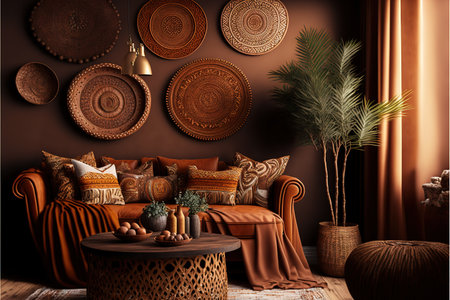

The Soul of Every Home: Importance of a Pooja Room
In the vibrant tapestry of Indian homes, the pooja room stands as the spiritual heart—a serene sanctuary where tradition meets daily life. Whether nestled in a compact Mumbai apartment or spread across a sprawling Bengaluru bungalow, this sacred space is more than just an architectural feature; it embodies centuries-old customs and heartfelt devotion. The pooja room is where families gather for daily aartis, light diyas during Diwali, and whisper their hopes to deities with folded hands. It is a space that radiates positive energy, fostering a sense of peace and grounding amid the hustle and bustle of modern living. In every Indian household, from North to South, East to West, the pooja room forms an emotional anchor—reminding everyone of their roots while nurturing spiritual growth and togetherness. As we blend tradition with contemporary aesthetics, designing the pooja room furniture and décor becomes an act of reverence—balancing timeless rituals with the evolving tastes of modern India.
Traditional Pooja Room Design Elements
When it comes to crafting a pooja room that truly feels like the heart of an Indian home, tradition takes centre stage. The essence of Indian spirituality is reflected through time-honoured architectural features and classic design sensibilities. Let’s explore the signature elements that are cherished across generations.
Classic Architectural Features
Traditional pooja rooms in India often showcase distinctive architectural details that evoke reverence and sanctity. Elevated platforms or alcoves, often called mandaps, are a common feature, designed to place deities at eye level for respectful worship. Ornate arches, intricately carved doorways, and jaali (lattice) panels not only provide a visual delight but also ensure an aura of privacy and serenity during rituals.
Wooden Mandirs: Timeless Appeal
The wooden mandir is a staple in countless Indian households, symbolising warmth and continuity. Carved from teak, rosewood, or mango wood, these mandirs can range from compact wall-mounted units to grand floor-standing temples. Their detailing—be it floral motifs, temple pillars, or miniature gopurams—reflects regional artistry and family heritage.
| Type of Wooden Mandir | Key Features | Popular Regions in India |
|---|---|---|
| Wall-mounted Mandir | Space-saving, minimal carvings | Mumbai, Bangalore (urban homes) |
| Free-standing Temple | Pillars, domes, intricate doors | Chennai, Delhi (traditional homes) |
| Cupboard-style Mandir | Enclosed space for privacy | Kolkata, Ahmedabad |
Sacred Symbols & Their Significance
A pooja room’s spirit is elevated by revered symbols that resonate deeply with Indian values. The Om, Swastik, Bells (Ghanti), and Diyas (lamps) serve as conduits between the material and spiritual worlds. These motifs not only purify the atmosphere but also reinforce beliefs passed down through generations.
Symbolism at a Glance
| Symbol | Cultural Meaning |
|---|---|
| Om (ॐ) | The primordial sound; invokes peace and unity with the divine. |
| Swastik (卐) | Auspiciousness and prosperity; used at entrances and altars. |
| Bells (Ghanti) | Invites positive energy; marks the start of prayers. |
| Diyas/Lamps | Symbolises light over darkness; essential during festivals like Diwali. |
Cultural Continuity in Every Detail
The traditional elements of pooja room design aren’t just about aesthetics—they’re profound reminders of cultural identity and spiritual connection. By honouring these time-tested features, Indian families create a sacred corner that nurtures faith and togetherness in every daily ritual.

3. Blending Heritage with Modern Aesthetics
Modern Indian homes are redefining the sacred space of the pooja room, skillfully weaving tradition with a touch of contemporary elegance. Today’s pooja room furniture and décor move beyond ornate carvings and heavy woods; instead, they embrace sleek lines, minimalist layouts, and subtle finishes that reflect both urban sophistication and spiritual serenity. Homeowners are reimagining classic elements such as mandir doors, jali screens, and brass diyas by pairing them with neutral palettes, glossy laminates, and geometric patterns—creating a seamless dialogue between past and present.
Minimalism is taking centre stage as more families opt for compact pooja corners or wall-mounted units that save space while preserving sanctity. Floating shelves in teak or sheesham wood hold idols and puja thalis, with soft LED backlighting enhancing the divine atmosphere. Glass panels etched with Om symbols or lotus motifs provide a gentle nod to heritage without overwhelming the senses. The use of marble or granite for countertops evokes a sense of purity, while gold-toned accents—like bells or kalash—add an unmistakable touch of Indian opulence.
Contemporary layouts also invite flexibility: sliding doors for privacy during rituals, concealed storage for samagri, and multifunctional spaces that can adapt to daily life. Even in apartments where space is precious, foldable mandap units or niche alcoves ensure every home can honour its traditions beautifully. Through this thoughtful blend of modern aesthetics and time-honoured customs, the pooja room becomes not just a place of prayer—but a living testament to India’s evolving cultural identity.
4. Vastu Tips for Harmonious Spaces
When it comes to designing a pooja room that truly radiates harmony and positivity, incorporating principles from Vastu Shastra is key. Rooted in ancient Indian wisdom, Vastu guides the spatial arrangement and orientation of your sacred space, ensuring an environment where tradition meets modern aesthetics seamlessly. Here are practical guidelines inspired by Vastu Shastra to elevate the spiritual energy of your pooja room:
Direction & Placement: Setting the Foundation
The ideal location for a pooja room is the northeast corner of your home, also known as the ‘Ishanya’ direction, believed to attract divine energies. If this isn’t possible, east or north-facing spaces are also auspicious. Ensure that idols or images are placed facing east or west, allowing devotees to face east while praying.
Furniture Arrangement: Balancing Functionality & Spirituality
| Element | Vastu Guideline |
|---|---|
| Pooja Mandir/Altar | Should be raised above ground level; avoid placing directly on the floor. |
| Sitting Arrangement | Use low wooden stools (chowkis) or mats made from natural fibers like cotton or wool; avoid metal seating. |
| Storage Units | Keep storage cabinets in the south or west corners for pooja essentials; avoid cluttering the northeast area. |
Décor Elements: Enhancing Positivity
- Choose calming colours like white, cream, light yellow, or pastel shades for walls and décor items, which help maintain tranquility.
- Opt for natural materials—wooden mandirs, brass lamps (diyas), and copper vessels—as they resonate with traditional Indian vibes and amplify positive energy.
Lighting & Airflow: Inviting Divine Vibrations
A well-lit pooja space is essential. Natural light is considered most auspicious; if not available, use soft yellow or warm white LED lights. Good ventilation ensures freshness—keep windows open during prayers if possible.
Daily Practices for a Harmonious Pooja Room
- Keep the pooja room clean and clutter-free at all times; cleanliness attracts good vibrations.
- Avoid placing photos of ancestors alongside deities; dedicate a separate space if required.
- Burn incense sticks (agarbatti) or camphor to purify the air and create an inviting spiritual atmosphere.
By blending these time-tested Vastu tips with contemporary Indian design sensibilities, you can create a pooja room that feels both rooted in tradition and relevant to modern lifestyles—fostering peace, devotion, and positive energy within your home.
5. Furniture Choices: From Sacred Altars to Comfortable Seating
When it comes to curating your pooja room, selecting the right furniture is crucial in blending tradition with contemporary Indian style. Begin with the heart of every sacred space—the pooja mandir. Opt for carved wooden mandirs in sheesham or teak, which not only celebrate India’s rich heritage of craftsmanship but also stand as timeless centrepieces. For compact urban homes, sleek marble or engineered wood shelves fixed against the wall offer both utility and elegance, keeping idols and puja samagri accessible yet beautifully displayed.
Mandirs & Altars: Choosing with Reverence
Whether you prefer a grand free-standing temple or a minimalist wall-mounted altar, ensure your mandir exudes an aura of devotion. Look for designs featuring intricate jaali work or brass inlays, echoing traditional Indian motifs. Consider storage drawers beneath the altar for incense sticks, diyas, and other essentials—organised yet hidden from plain sight.
Shelves & Display Solutions
Floating shelves in warm wood tones or hand-painted ceramic brackets allow you to showcase sacred artefacts, bells, and framed mantras. These shelves can double up as subtle design statements while maintaining the sanctity of the space.
Seating: Comfort Meets Aesthetics
No pooja experience is complete without a comfortable place to sit and meditate. Traditional wooden stools (chowkis) with colourful block-printed cushions are perfect for those who cherish authenticity. Alternatively, opt for low ottomans upholstered in ikat or paisley fabrics—these blend modern comfort with ethnic flair, inviting you to linger longer in devotion.
Mats & Floor Coverings
Handwoven dhurries or cotton rugs in earthy tones ground the pooja room while adding warmth. Choose mats that are easy to clean and harmonise with your décor palette—be it vibrant Rajasthani prints or subtle Kanjivaram-inspired designs.
Ultimately, every piece of furniture should reflect India’s love for artistry while serving practical needs. Prioritise quality materials, skilled craftsmanship, and an eye for detail—your pooja room will then truly embody both spiritual tradition and contemporary Indian elegance.
6. Decor Inspirations: Lighting, Diyas & Personal Touches
In the modern Indian home, the pooja room is not just a space for rituals but also an oasis of peace and positivity. To truly bring this sacred corner to life, thoughtful decor plays a pivotal role.
Luminous Lamps & Ethereal Lighting
A well-lit pooja room instantly uplifts the ambience and energy. Opt for soft, golden-hued LED lights that mimic the gentle glow of traditional oil lamps. Hanging brass pendant lamps or classic jali lanterns can infuse both modern aesthetics and spiritual warmth. Consider placing small fairy lights around the mandir for a subtle, magical effect—perfect for festivals or daily prayers alike.
The Timeless Beauty of Diyas
No Indian pooja room is complete without diyas. Choose brass or clay diyas in intricate shapes, arranging them on thalis or floating them in urli bowls filled with water and flower petals. Lighting these diyas daily or during special occasions not only honours tradition but also creates a serene, welcoming environment.
Colourful Rangolis: Celebrating Tradition at Your Doorstep
Rangolis are more than just decoration; they are auspicious symbols believed to bring good luck and ward off negativity. Draw vibrant patterns using coloured powders, flowers, or even eco-friendly rangoli stickers at the entrance or within the pooja space. For a contemporary twist, try geometric motifs or minimalist floral designs that harmonise with your overall decor scheme.
Brass Decoratives & Temple Bells
Embellish your pooja room with classic Indian artefacts such as miniature brass idols, bell hangings, and latticework plates. The gentle chime of temple bells invokes positive vibrations, making them both an aesthetic and spiritual addition.
Personalised Artefacts: Adding Your Signature Touch
Infuse your personality by displaying hand-written shlokas, family heirlooms, or custom-made nameplates featuring devotional quotes in Devanagari script. You could even frame cherished photographs from temple visits or incorporate regional crafts like Madhubani paintings for that unique local touch.
Cultivating Positivity with Every Detail
Ultimately, every element—be it lighting, colour, or craft—should radiate harmony and devotion. By blending tradition with contemporary design cues and personal touches, your pooja room becomes a soulful retreat that celebrates the heart of Indian culture while reflecting your individual style.